Trains from Berlin to Munich

Travelling by tain from Berlin to Munich is a great way to get between two of Germany’s most famous cities when you are visiting Europe.

Services on this route are operated by Deutsche Bahn. The company run trains up to twice an hour throughout the day. They leave from the Berlin Hauptbahnhof (main train station) and arrive at the Munich Hauptbahnhof. Both stations are centrally located and connected to all kinds of public transportation links and taxis.

There are direct trains on this route as well as trains that require one or more changes. Some trains that require connections are faster than direct trains, so you shouldn’t necessarily rule them out. There are also overnight trains from Berlin to Munich.

The total journey time on day trains ranges from 5 hours and 56 minutes to 6 hours and 49 minutes, depending on timetables. Overnight trains take 10 hours and 6 minutes.

The cost of a train ticket to Munich varies. Fares start from 39 euros each way in second class and 49 euros each way in first class if you book online and take advantage of Savings Fares.

Reservations on trains from Berlin to Munich are required on overnight trains and recommended on day services.
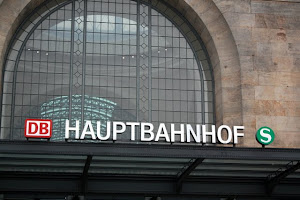
Trains from Berlin to Dresden

Dresden Train Station
Dresden Central Station

Trains from Berlin to Dresden are a great way to get between these two major German cities when you are visiting Europe.

Rail services are run by Deutsche Bahn. Their trains run throughout the day from the Berlin Hauptbahnhof (main train station). They arrive at the Dresden Hauptbahnhof, which is located a short walk from the historic city centre.

There are direct trains from Berlin to Dresden as well as trains that require one or more changes. Trains run all throughout the day, with direct departures taking place every 2 hours, and trains that require a connection running once or twice in between.

The total travel time between the cities is 2 hours and 6 minutes on direct trains, and can be 3 hours or more if changes are required. It is best to take a direct train if you can, as the additional journey time on trains with connections can make the trip a lot longer than it needs to be.

The cost of a train ticket from Berlin to Dresden varies by time and date, and also by how far in advance you book your ticket. Fares start at 19 euros one-way in second class and 49 euros one-way in first class if you reserve well ahead and take advantage of special Savings Fares.

Reservations on trains from Berlin to Dresden are not required, but are strongly recommended, as trains that travel at peak times are often crowded and passengers without reservations have to stand.

Germany Visa and Passport Requirements

Below are Germany visa and passport requirements for citizens of various countries around the world.

Requirements for Australian, Canadian, New Zealand, and US citizens: Passport required. Visa not required for tourist or business stays of up to 90 days in Germany (the 90-day period begins when entering the Schengen countries*). Stays exceeding 90 days do require a visa.

Requirements for South African and Indian citizens: A passport and Schengen* visa are required for travel to Germany.

Requirements for UK citizens: A passport is required. There is no visa requirement for passport holders endorsed British Citizen. Visa exemption is for 90 days for passports endorsed British National (Overseas), British Overseas Territories Citizen, British Overseas Citizen, British Protected Person, or ‘holder is entitled to readmission into the UK’, or ‘holder has the right of abode in UK’ (the 90-day period begins when you enter the Schengen countries*). In all other cases, a visa is required.

*Schengen Countries: Austria, Belgium, Czech Republic, Denmark, Estonia, Finland, France, Germany, Greece, Hungary, Iceland, Italy, Latvia, Lithuania, Luxembourg, Malta, The Netherlands, Norway, Poland, Portugal, Slovakia, Slovenia, Spain and Sweden.

Keep in mind that Germany visa and passport requirements are subject to change at any time, so be sure to check the website of your country’s embassy or consulate before making travel arrangements to visit Europe.